Win a Laptop Lunch System!

I was sick of using plastic bags. I felt guilty creating such waste every time I made a lunch for my daughter to take to preschool, plus I didn’t think the lunch looked very appetizing — piles of plastic that had to be opened to get the food out. I thought, “there must be a better way” and lo and behold, I spotted it: a lunch box that opened up and had compartments for the different foods. I only saw it from afar at a playground, but it caught my eye and I never forgot it. “I must get one of those lunch systems” I thought to myself, and then, there it was again — my sister had a Laptop Lunch System for each of her boys (ages 5 and 7). She gave my girls each a set as a gift.

laptoplunchsystem.jpg

It was a gift to me, really, as it made my life easier and made my daughters excited about their lunch! And no more plastic bags.

Here’s why I like Laptop Lunches so much as a mom:

  • It comes as a whole system, with carrying case (that looks like a laptop computer case, hence the name Laptop Lunch), water bottle and fork and spoon. I didn’t have to add a thing to start packing lunches.
  • You can choose from various color options. Kids love color!
  • It forces you, the lunch-maker, to be creative because there are 4 little compartments to fill, 5 with the little dipper one (it’s actually kind of fun!)
  • It is so easy to wash!

Here’s why I like Laptop Lunches so much as a mom of kids with food allergies:

  • Allergic children have to bring their own lunches ALL the time, so anything that makes it easier to pack a lunch is great.
  • Most prepackaged foods are filled with allergens — think packs of cheese and crackers, little packs of goldfish, peanut butter and ritz crackers — so these aren’t an option to throw in a lunch. These little compartments make it possible to put in healthier foods and serve them like you would a meal at home, like beans or olives or fresh corn or gluten-free pasta salad.

  • Food looks so appetizing when served this way, the allergic kid will not feel he’s missing out on a thing!

Here’s a lunch I made recently. It’s nothing fancy, but somehow looks a lot yummier than if it were in plastic bags.

laptoplunch.jpg

Don’t have kids? Want to eat healthier? The Laptop Lunch is great for adults too. There are some mellow color options if you don’t think hot pink will work in your office!

You can win a Laptop Lunch System!

This is very exciting… one lucky reader will receive a complete Laptop Lunch System, courtesy of Obentec, Inc., the company that makes them. Just leave a comment below with an idea you have for what to put in the Laptop Lunch before July 4 and I will randomly select one of you as the winner.

For more information and to purchase Laptop Lunches, visit laptoplunches.com

CONTEST UPDATE: A winner has been announced… go here to see who the lucky gal is!

You could be sensitive to more than just gluten

You have eliminated gluten from your diet and you feel a lot better. You are very careful about what you eat, but you still have symptoms that you blame on gluten somehow sneaking into your food via cross-contamination or because you were not being careful enough. You may be frustrated or confused as to why you are still have reactions when you can’t figure out where the gluten could be.

Perhaps you are getting traces of gluten, but the reality may be that you are reacting to another food. That’s right — you may be sensitive to more than just gluten! It’s not a pretty thought to have to cut another food (or foods) out of your life, but it may make you feel a lot better.

My discovery

After I was gluten-free and felt dramatically better, my body and especially my digestive system, felt clean… I don’t know how else to describe it, but it just felt like there was no turmoil going on inside, like a glass of water without any bubbles. If I did get a trace of gluten, I knew it, and I would track down the source. But then there were times when I had cooked at home and knew that there was no way I could have gotten glutenized (I am sure they will be adding this word to Webster soon!), but still didn’t feel perfect.

After keeping a mental food diary — really paying attention to when I didn’t feel well and what I had eaten prior — I realized that I was blaming gluten for those days when my tummy was feeling, well, bubbly. But it wasn’t gluten at all. It was… drumroll, please… soy! Yes, folks, I do not eat soy anymore. I do eat a little wheat-free soy sauce sometimes and soy lecithin, but other than that, no soy. My daughter is soy-intolerant also, so there you have it — genes at work. Lucky girl… at least she got some of my good genes too: charm, good looks, etc. — ha ha!

I’m not the only one with multiple food sensitivities. In fact, on the celiac.com forum, there is a whole category called Other Food Intolerance and Leaky Gut Issues with people talking about how they have realized that they are intolerant to more than just gluten. This is no coincidence…

Leaky Gut Syndrome

A reason that people can develop more food sensitivities could be leaky gut syndrome, also known as increased intestinal permeability. A very simple explanation of what happens with leaky gut syndrome is this:

  1. Large spaces develop between the cells of the intestinal wall (due to many possible causes — see below).
  2. Bacteria, toxins, and incompletely digested proteins and fats leak in. Normally these larger molecules would be kept within the intestines, but because of these holes in the intestinal lining, they leak through the intestinal wall into the bloodstream, where they normally shouldn’t go.
  3. The immune system releases antibodies to fight what it sees as foreign invaders in the blood.
  4. These antibodies also attack the body’s own cells, causing damage, allergic reactions, pain and inflammation throughout the body.

What causes leaky gut?

Some of the possible causes of leaky gut syndrome are:

  • Damage caused by taking non-steroidal anti-inflammatory drugs (NSAIDs), like ibuprofen
  • Gastrointestinal disease, like celiac disease
  • Eating allergenic foods
  • Consuming alcohol
  • Consuming caffeine
  • Taking antibiotics
  • Eating too much sugar
  • Ingesting toxic chemicals
  • Intestinal infection
  • Parasites
  • Stress

Food sensitivity can cause leaky gut, which can then cause other food sensitivities — it is a vicious cycle.

So, where do you go from here?

If you are gluten-free and you don’t know why you are still having reactions to the food you are eating, I would recommend that you keep a food diary — write down the time that you eat, what you eat, what symptoms you feel at what time of day. If you wake up in the morning and feel fine, and then have breakfast and feel rotten the rest of the day, examine everything you are eating in the morning, from coffee to juice to the milk you pour on your cereal. Once you think you know the problem food, cut it out and see how you feel. You can add it back in later and see if you react (please consult your doctor if you think you are at risk for a serious reaction to a food). In my case, after I cut soy out my diet, my lingering symptoms went away, and I have not wanted to try it again!

And what about that leaky gut? There are a lot of websites out there with advice about how to improve the permeability of your intestines. I am going to start doing some of these things for myself and my family in hopes of preventing more food sensitivities. Here are a few of the sites I found useful:

Liverdoctor.com
The Environmental Illness Resource
Dr. Weil
Leaky Gut Syndrome

Do you have more than one food sensitivity? Let me know in the comments… I’m curious!

How many outgrow nut allergies?

nutallergy.jpg

Peanut and tree nut allergies can cause severe reactions, even anaphylaxis. Parents would give anything to have their children outgrow the allergy, but how realistic is this wish? It is a possibility for some children, but not for most, according to a report put out by the Division of Allergy and Immunology at The Johns Hopkins University School of Medicine.

9% of children allergic to tree nuts (almonds, pecans, walnuts, cashews, Brazil nuts, hazelnuts, pine nuts, pistachios and macadamia nuts) passed an oral food challenge, meaning that they were able to eat the food without a reaction. This included children who had severe reactions in the past. 58% of children with low levels of IgE antibody to tree nuts (5 kilounits per liter or less) also passed the oral challenge. 20% of children allergic to peanuts will outgrow their allergy.

Another finding in the study was that children who are allergic to more than one type of tree nut are unlikely to outgrow their allergy.

The researchers from the study recommend that children with peanut or nut allergies should be regularly re-evaluated to see if they are still allergic, and they say that blood antibody levels (IgE) can be used as an accurate guideline in predicting the likelihood that a child has outgrown the allergy. If you would like to know if your child has outgrown a peanut or nut allergy, ask your allergist for repeat testing and discuss the possibility of an oral challenge under careful supervision.

Related reading:
Will your child outgrow egg allergy?
Peanut protector dogs are here!
Cashews cause more severe reactions than peanuts

Bars for people with food allergies - Part 2

A while back I told you about some of the gluten-free and allergen-free snack bars on the market. I received feedback and product samples of some more so I thought I would let you know about them! Feel free to leave a comment and let everyone know what you think.

  • Trio Bars by Mrs. May’striobar.jpg
    • light and crunchy
    • comes in four flavors: Blueberry, Cranberry, Strawberry, and Tropical
    • from their website: “All Mrs. May’s products are vegan, non-GMO, cholesterol free, dairy free, wheat free, Gluten free, 0 Trans Fat and contain no artificial colors or flavors.” Note: these do contain nuts and seeds.
  • Omega Smart Nutrition Bars

  • omegasmartbar.jpg

    • dense and chewy, not too sweet
    • gluten-free, dairy-free, egg-free, some flavors are also soy-free, some flavors contain nuts
    • from their website: “ALL Omega Smart bars are easily digested, help to manage blood sugar, contain over 2,000 mg. of Omega-3’s and offer an ideal ratio of complex carbohydrates, proteins, and healthy-fats”
    • comes in many flavors, including Cinnamon Apple, Banana Chocolate Chip and Apricot Almond

  • Bakery on Main granola bars
  • bakeryonmaingranolabar.jpg

  • AllerEnergy Bars
  • allerenergybar.jpg

    • from their website: “no peanuts, no gluten, no eggs, no milk or dairy, no soy, no tree nuts, no shellfish, no corn”

  • ANDI-Bars
  • andibar.jpg

    • gluten-free, casein-free, soy-free, corn-free, GMO-free, free of artificial flavors, colors & preservatives
    • from their website: “nutritionally balanced, ANDI bars add vitamins and minerals to your child’s diet. Flax seeds add a delightful crunch, and your kids won’t even know they are getting vital Omega fatty acids! Each 2 oz. bar contains a whopping 15 grams of protein!”

  • Tiger’s Milk Bars
  • tigersmilkbar.jpg

    • all are gluten-free except Peanut Butter Crunch; all contain milk, soy, peanuts and tree nuts
    • note: these bars contain high fructose corn syrup, but if you don’t care about that… I have heard that they taste good!

Get your allergy-free cupcakes ready
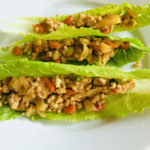
glutenfreecupcake.jpgNow that my daughter is in preschool, we are on the birthday party circuit. Telling her she can’t have a piece of cake or cupcake because of her food allergies would be upsetting (for both me and her), which is why I make sure that I always have cupcakes on hand. Here’s how you can do the same and be a superstar mom or dad!

Do this now:

  1. Make a batch of chocolate cupcakes, and freeze what you don’t need to use that time, or even double the recipe to make sure you have extras. The easiest thing to do is make a mix, like Pamela’s chocolate cake mix or CherryBrook Kitchen (both good for egg-free). I also like Gluten-Free Pantry and Namaste. Any cake mix can become cupcakes, just cook for less time!
  2. vanillacupcakes.jpgMake a batch of vanilla cupcakes too. Vanilla cake is harder to make egg-free, but Pamela has a vanilla cake mix that I have made with egg replacer and they turned out okay (see picture at right) even though the directions say it will not work! Or, if you’d like, make a cupcake from scratch using a gluten-free recipe. And, by the way, muffins magically turn into cupcakes when topped with frosting and sprinkles, so that’s another option!
  3. Make chocolate frosting and vanilla frosting and keep them in an airtight container in the refrigerator. Tip: Start by making vanilla frosting, take out half and then add the cocoa to make chocolate — that way, you really are only making one batch of frosting. You can use frosting mixes, like Pamela’s (I substitute softened palm shortening for the butter to make it dairy and soy-free), or you can use good old C&H powdered sugar and follow their easy recipes, some of which are below.

Do this later:

  1. Before the day of the party, talk to the host of the birthday party to find out what food they are serving (in case you also need to bring your own snacks or lunch) and what kind of cake or cupcakes they are having. It is usually always some combination of white or chocolate cake and white or chocolate frosting. Try to match what they are having.
  2. The night before or the morning of the party, take some cupcakes out to thaw. I bring 2 for my daughter just in case, but she usually only has one. Also, I like to have one on hand in case someone else needs an allergen-free cupcake (hasn’t happened yet, but when it does, I will make someone’s day!) If it is really last-minute, you can thaw the cupcake in the microwave.
  3. Take out your frosting to thaw also. Or, you can microwave it just as you would to soften butter (don’t melt it).
  4. sprinkelz.jpgFrost and decorate the cupcakes. If you want to get fancy, you can use decorating tools. It is actually really easy and you get to feel like a pastry chef for a minute! For sprinkles, I like India Tree brand or Let’s Do Organic Sprinkelz, which are gluten-free (most sprinkles contain wheat). As long as you’ve got yummy frosting and sprinkles, the cupcake part doesn’t even really matter that much!

Now SMILE and pat yourself on the back because your child has not been deprived of that age-old birthday treat - the CUPCAKE!

A few allergy-free frosting recipes adapted from C&H website:

Basic Decorating Icing (good for piping)
Ingredients:

  • 4 cups powdered sugar (a one-pound box of C&H)
  • 1/2 cup butter or shortening (palm if you want to make it soy-free)
  • 1/4 cup water or milk (rice milk works well)
  • 1 tsp. vanilla or other flavoring
  • food color (optional)
  • add 1/4 cup unsweetened cocoa powder if you want to make chocolate

Instructions: Beat all ingredients until smooth. Keep icing covered to prevent drying. Store in refrigerator. Thicken with powdered sugar or thin with a few drops of water or milk, if needed. Makes 2 1/2 cups.

Vanilla Glaze — a traditional glaze for coffee cakes and sweet rolls, but good on cupcakes too!
Ingredients:

  • 1 cup powdered sugar
  • 1 1/2 tbsp. milk (you can use non-dairy milk — rice milk works great)
  • 1/2 tsp. vanilla

Instructions: Beat all ingredients until smooth. Makes 1/2 cup.

Chocolate Glaze — A smooth, rich glaze for cookies, cakes, cupcakes and more!
Ingredients:

  • 1/4 cup chocolate pieces, semisweet
  • 1 tbsp. butter or margarine (or shortening)
  • 1/2 cup powdered sugar
  • 1 1/2 tbsp. milk (or rice milk)

Instructions: In small saucepan, melt chocolate with butter (or shortening). Remove from heat and beat in powdered sugar adding milk gradually until mixture is a pourable consistency. Makes enough glaze for a layer cake.

Product Review: Coconut Bliss dairy-free ice cream

coconutblisschocolate.jpgRating: bluestar3.jpgbluestar3.jpgbluestar3.jpgbluestar3.jpgbluestar3.jpg

Product description:

Coconut Bliss:

  • Non-dairy frozen dessert (ice cream) made from organic coconut milk and agave syrup
  • Gluten-free
  • Vegan (which means no milk and no eggs)
  • Soy-free
  • Low glycemic index

Review:

Move over Ben & Jerry and make way for Luna & Larry! I have just discovered Coconut Bliss ice cream and I am in love! I have tried many dairy-free ice creams, including soy-based ones and rice-based ones (and some that are made with both rice and soy like Rice Divine). This one is made with coconut milk as its base, and adds no soy or gluten. The result is a rich and creamy ice cream that rivals or even tops dairy ice creams in taste and texture. This is definitely a dessert I would serve to all my guests, not just to my dairy-free kids (in fact, I haven’t decided if I’m even going to share it with them at all!)

I love that the ingredients are pure and agave syrup is used for the sweetener instead of sugar. While the fat content isn’t lower that other ice creams, there is no cholesterol. And if you’d like to learn about the health benefits of coconut, Luna & Larry recommend the website Coconut Research Center.

I can’t wait to get through dinner tonight, so I can delve into dessert!

What I like:

  • It is so creamy, just like “real” ice cream
  • The flavor makes you say “yummmmm”
  • It comes in many flavors: Naked Coconut, Dark Chocolate, Vanilla Island, Mint Galactica, Cappuccino, Cherry Amaretto, Pina Colada, Cinnamon Chocolate Flake, Strawberry Lemon Love, Chocolate Hazelnut Fudge

What I don’t like:

  • That 2 flavors have nuts (my daughter is allergic so I need to think about the possibility of cross-contamination)
  • I haven’t tried all the flavors yet (and can’t wait!)… I’ll let you know if there are any I don’t like

Where to buy:

As of June 2008, Coconut Bliss is only sold in the western United States. I found it in Whole Foods.

Progress in treatment and screening for celiac disease

Would you believe that 30-50% of celiacs do not always adhere to the gluten-free diet? How about that 20% of adult celiac patients’ biopsies do not normalize after diagnosis? According to researchers presenting at Digestive Disease Week 2008, an annual conference in San Diego for physicians and researchers, there is a “need for something beyond a gluten-free diet” in the treatment of celiac disease.

Treatment of celiac disease

In a talk led by Peter Green (leader in celiac disease research and author of the book Celiac Disease: A Hidden Epidemic, which I highly recommend), 2 research groups presented their progress in developing a treatment for celiac disease — Alvine Pharmaceuticals and Alba Therapeutics. Their approaches are different and their outcomes and uses remain undetermined, but both are trying to find a treatment for celiac disease, other than the gluten-free diet. You can hear both presentations in the video clip below.

Screening for celiac disease

Also discussed at the conference: could the criteria for the diagnosis of celiac disease be too strict?

The “gold standard” diagnosis for celiac disease is a positive blood test, followed by a small intestinal biopsy via endoscopy. If the patient has villous atrophy, meaning that the villi of the intestine is damaged to a certain degree, then the person has the official diagnosis of celiac disease.

Dr. Markku Maki from Finland presented his findings about whether this criteria for diagnosis is good enough. His study included 23 people who had elevated antibodies but had normal or only slightly inflamed intestinal lining. They therefore did not meet the criteria for celiac disease. The researchers put one half of this group on a gluten-free diet and the other half continued to eat gluten. They followed both groups for one year — their symptoms, antibodies, and endoscopy. After one year, the gluten-eaters’ symptoms worsened and their small bowels had deteriorated. The gluten-free people’s antibodies disappeared and their bowels became better than before. The gluten-eaters all wanted to go on the gluten-free diet and a year later everyone in that group improved also.

Dr. Maki’s conclusion is that “we have disease before we have gluten-induced small intestinal mucosal lesion.” In other words, perhaps our gold standard needs to be reevaluated, because according to this study, many people already have the disease before it shows up on a biopsy.

You can hear it all for yourself in this video from the conference.

Related reading:
Is a biopsy always necessary to detect celiac disease?
Blood tests are not the final say

I don’t believe in colic!

Knowing that I helped someone keeps me motivated to keep raising awareness about the effects of food on people’s health and happiness. Yesterday I received an email from a friend of mine thanking me. Here is what she said:

Now you’re probably wondering what I’m thanking you for. Well, in the last 2 weeks, my son has been an absolute angel. He is like a different child. Last night, he slept 8 hours and he’s not even 8 weeks old yet. After cutting dairy out of my diet, he was still a little bit fussy, so I experimented a little more and cut out soy & nuts (I was eating a lot of both) too and it’s been a miracle AND I would have never done any of that if it weren’t for you. He’s not congested anymore either. It makes me so happy that my little guy isn’t uncomfortable anymore. So that is why I’m thanking you.”

That makes me so happy! And confirms why I don’t believe in colic or that some babies are just really “fussy” (I never liked that word!)

Colic is a term that describes a set of symptoms in an infant with no apparent cause.

colicbaby.jpgCharacteristics of colic:

  • episodes of uncontrollable, extended, shrieking crying often after a feeding
  • episodes occur at a predictable time of day, usually late afternoon or evening (”the witching hour”)
  • physical changes during the episodes such as a distended belly, clenched fists, curled up legs or arched back
  • passing of gas after an episode
  • difficulty falling and/or staying asleep

Hmmm… what could it be? Nothing, nothing, nothing comes to mind… oh, wait, could it be something the baby is eating?? No, that’s silly. It’s probably just NOTHING. You just need to jiggle the baby for a few more hours and he’ll be fine.

Why doesn’t every new mother get some forewarning: if your baby has excessive or uncomfortable gas, or reflux, or excessive spitting up, has congestion, or is cranky or crying all the time or not sleeping well, you may think about the possibility that something in your diet is affecting your baby.

I don’t expect the pediatrician to have the time or the ability to work with the mother on identifying the problem foods and changing her diet, but rather than automatically switching from breastmilk to formula (which often doesn’t solve the problem), or telling the mother that it’ll all get better eventually, how about at least giving a heads-up, and then handing out a list of resources, either for local dietitians, breastfeeding experts, or even websites that offer help in this area.

Being a mother for the first time is hard enough as it is, and then you are left to think that you and your baby being completely miserable is normal, expected and incurable! Don’t believe it!

Thanks, Beth, for the inspiration for this post!

Related reading:
Gluten Free Babies & Kids
Four Hidden Medical Causes of Colic by Dr. Sears